
Do you recognize it when the news feels less like information and more like an emotional ambush?
Voices rise. Tempers flare. National television captures confusion in real time. Newscasters struggle to maintain composure while social media erupts into outrage, panic, commentary, and noise. Screens glow late into the night as millions continue scrolling, watching, reacting, absorbing.
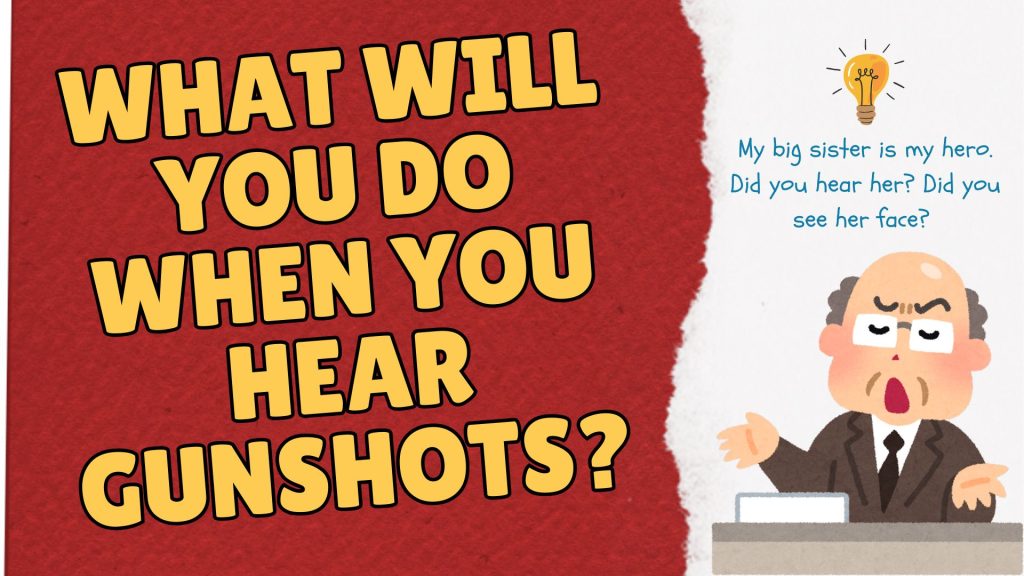
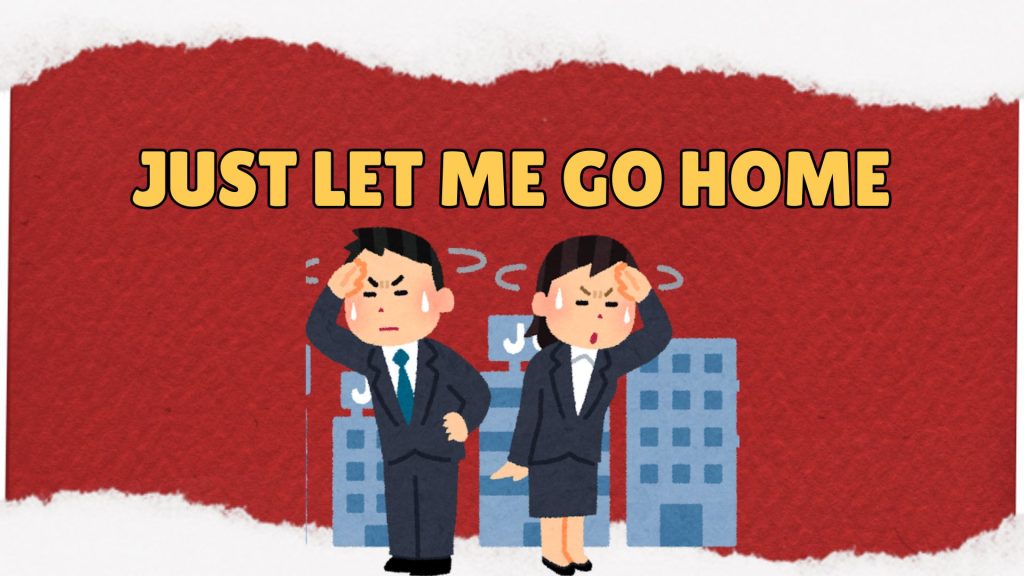
And somewhere in the middle of all that chaos, people quietly begin carrying the stress inside their bodies.
This week’s highly charged scenes at the Philippine Senate, marked by heated exchanges, tension, emotional confrontations, and visible distress among officials and observers alike, became more than just a political story. For many Filipinos watching from home, it became an emotional experience.
Some felt anxious.
Others felt angry.
Many simply felt exhausted.
At Joyful Wellness, we believe staying informed matters deeply. Civic awareness is important. Democracy requires engagement. Public accountability matters.
But so does mental and emotional well-being.
And in moments like these, protecting your nervous system becomes an act of intelligence, self-awareness, and health preservation.
EXPLORE: How to Stay Well: What Really Matters for Health
The Body Responds to Stress — Even Through a Screen
Modern neuroscience has repeatedly shown that the human body reacts to emotionally distressing content even when the danger is not physically present.
When people consume prolonged exposure to conflict-heavy news, alarming footage, public hostility, fear-driven commentary, and uncertainty, the brain often interprets it as threat.
The body then responds accordingly.
Stress hormones such as cortisol and adrenaline rise. Heart rate increases. Muscles tense. Sleep becomes disrupted. Some people experience headaches, chest tightness, irritability, fatigue, emotional numbness, or anxiety spirals without fully realizing where the distress is coming from.
This phenomenon is sometimes referred to as “headline stress disorder” or stress related to continuous news exposure.
Research following major global crises including political unrest, disasters, and the pandemic has shown that repeated exposure to distressing media can contribute to:
- heightened anxiety
- emotional exhaustion
- chronic stress
- sleep disruption
- feelings of helplessness
- difficulty concentrating
In simpler terms:
the nervous system does not always distinguish between witnessing chaos and directly experiencing it.
Why Filipinos Feel These Moments So Deeply
Filipinos are deeply emotional, relational, and community-oriented people.
We absorb atmosphere and worry collectively. Then we carry family burdens together. We internalize uncertainty quickly.
That is part of our compassion and humanity, but it also means emotionally charged public events can affect people more intensely than they realize.
Many Filipinos are already navigating:
- financial pressure
- caregiving responsibilities
- burnout
- grief
- uncertainty about the future
- health concerns
When national tension enters the picture, it can feel like the nervous system has nowhere left to rest.
And that is precisely why emotional regulation matters.
Staying Calm Is Not Indifference
There is an important distinction between awareness and emotional drowning.
Remaining calm does not mean refusing to care.
Protecting your peace does not mean ignoring reality.
Stepping away from noise does not make someone uninformed or apathetic.
In fact, emotionally regulated people often make better decisions, process information more clearly, communicate more effectively, and respond with greater wisdom.
Constant panic rarely improves public discourse.
What helps instead is groundedness.
The ability to pause before reacting and the discipline to verify information before sharing it. The wisdom to disengage from performative outrage. And the courage to protect one’s mental health while remaining socially aware.
That, too, is responsible citizenship.
What You Can Do When the News Feels Overwhelming
Limit doomscrolling
Repeatedly consuming distressing content for hours can overload the brain and heighten anxiety.
Curate your information sources
Choose credible news outlets and avoid accounts that thrive on rage, fear, or misinformation.
Take nervous system breaks
Walk outside. Stretch. Drink water. Listen to music. Pray. Breathe deeply. Let your body return to safety.
Watch your physical symptoms
If news exposure begins affecting sleep, appetite, focus, mood, or emotional stability, your body may be signaling overload.
Stay connected to real life
Talk to loved ones. Eat meals away from screens. Spend time with people who make you feel calm and grounded.
Remember what is still good
Moments of political or public tension can make the world feel frightening and unstable. It helps to consciously reconnect with ordinary reminders of safety, kindness, and humanity.
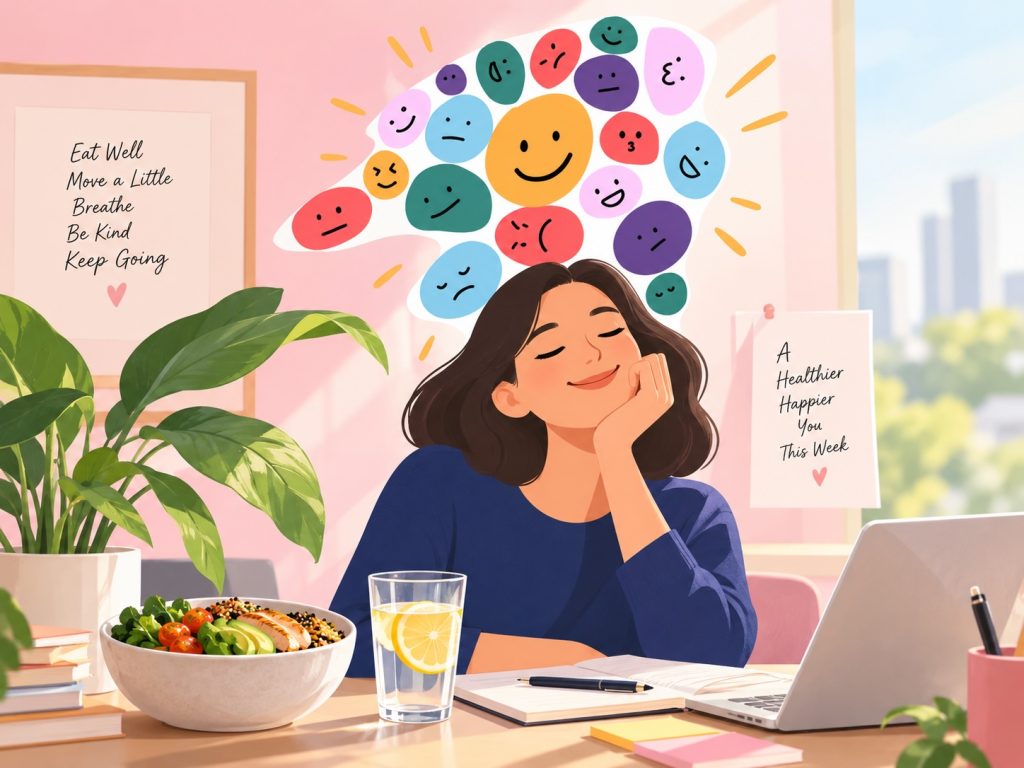
Wellness Includes Emotional Boundaries
The wellness conversation often focuses on nutrition, exercise, supplements, skincare, and disease prevention.
But emotional boundaries matter too.
Mental wellness is also:
- protecting your peace
- regulating stress
- knowing when to disengage
- recognizing emotional overload
- learning how to remain informed without becoming consumed
In today’s hyperconnected world, that may be one of the most important wellness skills of all.
At Joyful Wellness, we will continue striving to inform readers thoughtfully while steering away from unnecessary panic and emotional noise.
Because while the world may sometimes grow louder, more hostile, and more uncertain, people still deserve moments of calm.
People still deserve clarity.
We still deserve emotional safety.
People still deserve rest.
Pause.
Breathe.
Stay informed but stay grounded.
Protecting your peace is also part of protecting your health.
Editorial Note
Joyful Wellness shares mental health information to encourage awareness, understanding, and self-care. Our content is not a substitute for professional mental health support. If you or someone you know is experiencing emotional distress, seeking help from a licensed mental health professional or trusted healthcare provider is encouraged.
Visuals by the author
Sources
- American Psychological Association (APA) — Stress in America reports on media-related stress and anxiety
- Harvard Medical School — Research on chronic stress, cortisol, and mental health
- Mayo Clinic — Effects of stress on the body and emotional well-being
- National Institute of Mental Health (NIMH) — Coping with stress and anxiety during distressing events
- World Health Organization (WHO) — Mental health and psychosocial well-being during crises