Online dating has become one of the most common ways people meet today. A swipe, a match, a message—sometimes followed by connection, sometimes by silence. What’s less often discussed is how these digital rituals affect our mental health, emotional regulation, and sense of self.
Seen through a wellness lens, online dating isn’t just a social trend. It’s an experience that interacts directly with the nervous system.
READ: Love Languages Across Cultures and Generations: The Many Ways Love Finds Its Voice
Why Online Dating Feels So Intense
Dating apps are designed around intermittent reinforcement—the same psychological principle that makes slot machines addictive. You don’t know when the next match will appear, which keeps the brain in a loop of anticipation and reward.
Neuroscience research shows that unpredictability increases dopamine release, heightening excitement but also emotional volatility. A match can feel thrilling; a lack of response can feel disproportionately disappointing.
This doesn’t mean online dating is harmful by default. It means it’s stimulating, and stimulation without awareness can be exhausting.
The Hidden Emotional Labor of Swiping
Online dating often requires constant self-presentation: choosing photos, crafting bios, sustaining conversations, interpreting tone. Over time, this can lead to what psychologists call decision fatigue and emotional depletion.
Studies on digital social interaction suggest that repeated micro-rejections—even ambiguous ones—can impact self-esteem and mood, especially when dating becomes transactional rather than relational.
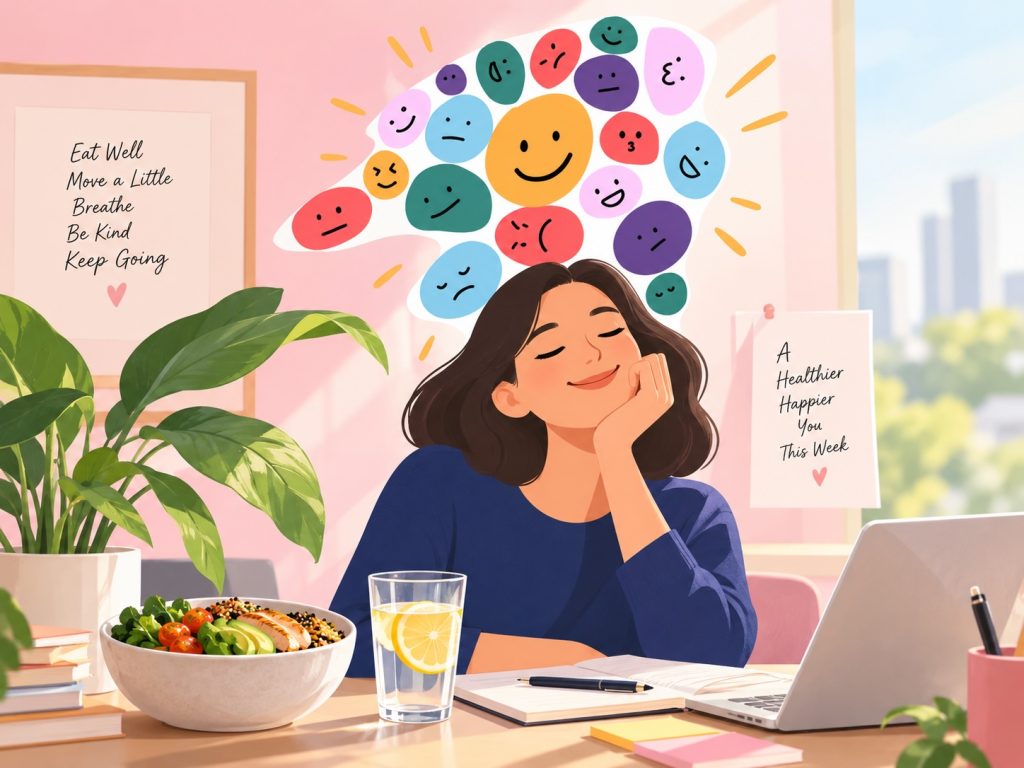
Wellness here isn’t about quitting apps. It’s about how we engage.
Healthier Ways to Date Online
Research on secure attachment and emotional well-being points to a few protective practices:
- Pacing interactions instead of constant checking
- Limiting time on apps to reduce overstimulation
- Staying grounded in offline life—sleep, movement, friendships
- Reading signals with curiosity, not self-blame
Online dating works best when it complements life, not replaces it.
Love Still Needs a Body
Digital tools can introduce people—but connection deepens through presence: shared space, tone, pauses, gestures. The body plays a role in trust and bonding that screens can’t fully replicate.
From a wellness perspective, the goal isn’t to perfect dating. It’s to remain regulated, open, and human while navigating it.
GOOD READ: My AI Valentine: Can Digital Love Really Mend a Human Heart?
Joyful Wellness reflection:
Dating should expand your life—not shrink your sense of self.
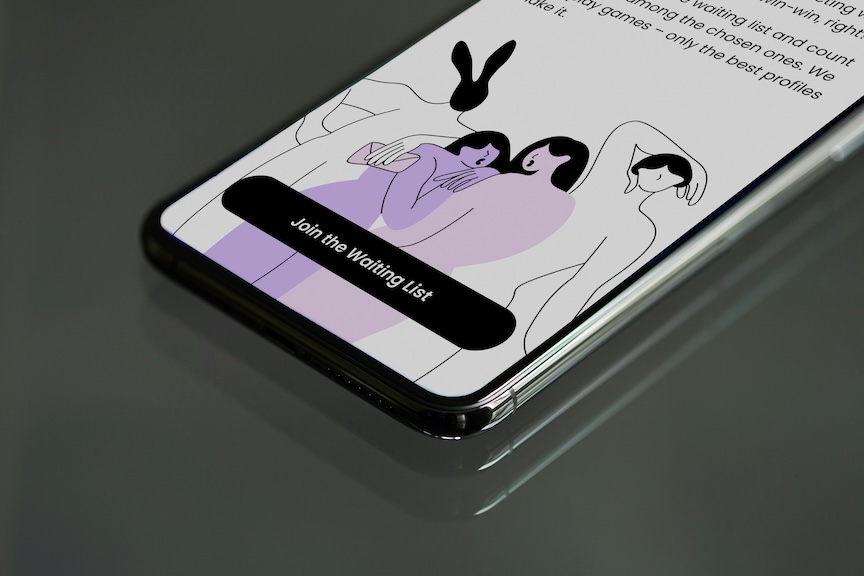
Photo by Flure Bunny on Unsplash
References:
– Finkel et al., Psychological Science
– Fisher et al., Journal of Neurophysiology
– APA, Technology and Relationships