Every August 23, the world observes the International Day for the Remembrance of the Slave Trade and Its Abolition. It is not just a historical commemoration — it is a moment to reflect on resilience, courage, and the enduring human pursuit of freedom.
For Joyful Wellness, this day offers profound lessons: by remembering the struggles against slavery, we also learn how to break free from our own limiting habits, toxic patterns, and internal battles.
READ: Building Resilience — Practical Strategies for Mental Strength
Remembering the Weight of History
The transatlantic slave trade represents one of humanity’s darkest chapters. Millions of men, women, and children were taken from their homelands, denied dignity, and stripped of freedom.
Yet, in the face of unimaginable suffering, people resisted. Revolts such as the Haitian Revolution (1791 to 1804) — the only successful slave-led revolt that established a free republic—proved that even in chains, the human spirit sought liberation.
Remembering this is not about staying in the shadows of history, but about honoring resilience.
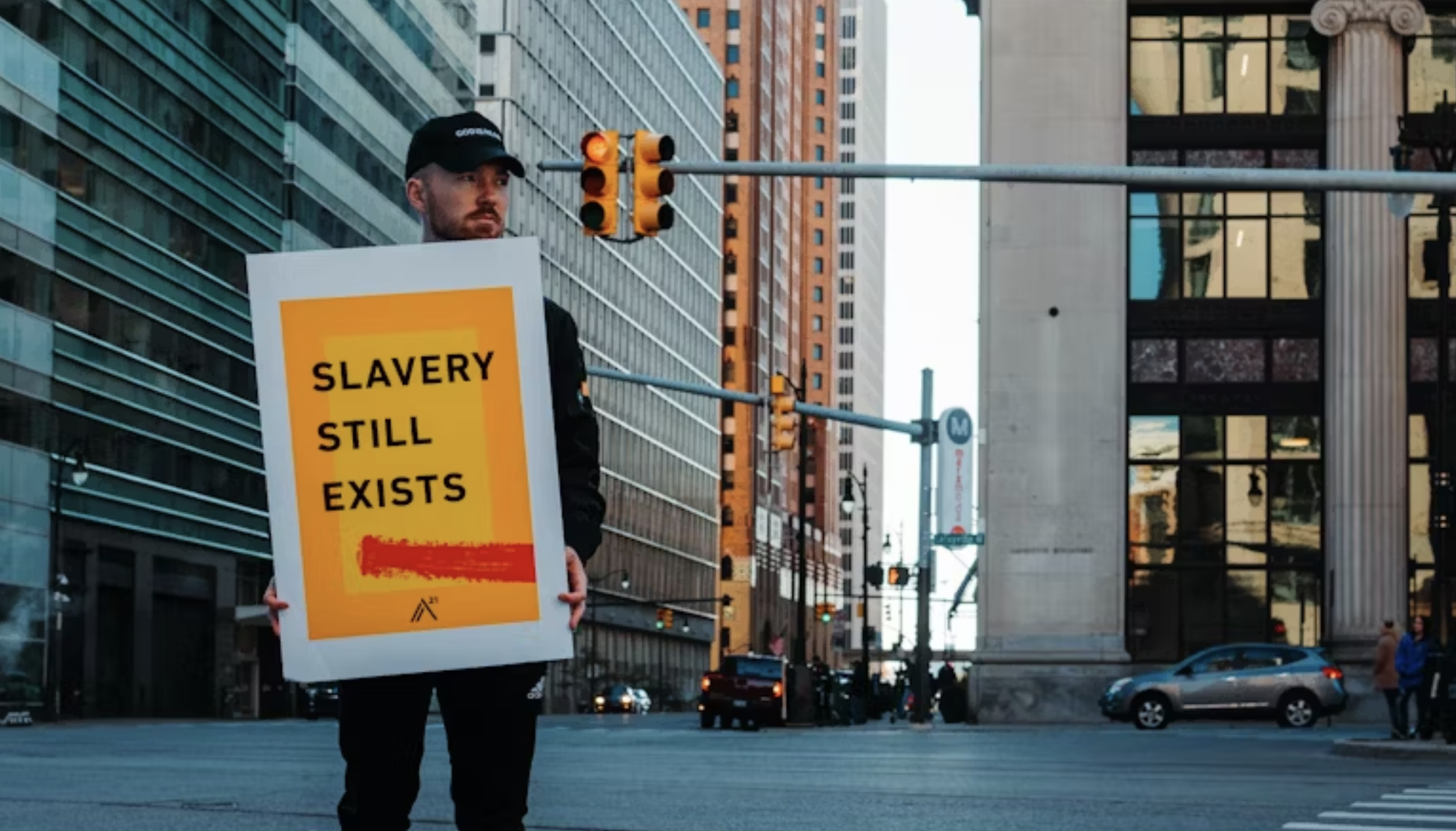
As UNESCO highlights, the commemoration challenges us to confront modern slavery, racism, and discrimination — reminders that oppression still exists in many forms today, from human trafficking to systemic inequalities.
Liberation as a Mindset
Slavery is not always external.
Today, many of us live bound by invisible chains:
- Habits that drain energy (chronic stress, poor sleep, excessive screen time)
- Thought patterns that confine us (negative self-talk, fear of failure, perfectionism)
- Social pressures that shape identity (unhealthy comparison, unrealistic standards of beauty or success)
Science shows that mental and emotional wellness is directly linked to freedom of thought and choice. According to studies in positive psychology, cultivating resilience — the ability to recover and adapt — helps break these internal shackles.
It is not about denying hardship, but about training the mind to reframe challenges as opportunities for growth.
READ: What Does Stress Do to Our Brain?
Lessons in Resilience from History
From the struggles of the enslaved emerge timeless lessons we can carry into wellness practice:
- The power of hope
Enslaved communities sustained themselves through music, faith, and storytelling that provided solace and voice for hope. Today, hope continues to fuel resilience.
Neuroscience reveals that having a sense of hope activates the brain’s reward circuits, promoting emotional stability and motivation.
- Strength in community
Resistance was rarely solitary; it thrived in solidarity. Likewise, personal wellness grows in supportive networks — family, friends, and communities that uplift and hold us accountable.
Social connection has been shown to reduce stress and strengthen immunity.
- Liberation through awareness
Slavery thrived on ignorance and dehumanization. Awareness became the first step toward abolition.
In our personal lives, awareness — through mindfulness, journaling, or reflection — helps us recognize patterns that limit our freedom. Awareness sparks change.
Modern Freedom Practices: Small Steps Toward Liberation
Just as history teaches us that collective struggle leads to freedom, we can take daily steps toward personal liberation:
- Unchain your schedule: Create pauses in your day for rest and mindful breathing. Science confirms that short mindfulness breaks reduce cortisol and improve clarity.
- Rewrite your inner narrative: Challenge self-critical thoughts. Cognitive Behavioral Therapy (CBT) shows that reframing thoughts can rewire the brain toward resilience.
- Commit to dignity in action: Just as abolitionists fought for human dignity, practice respecting your body with nourishing food, quality sleep, and movement.
TAKE CARE OF YOUR MIND, HEART, AND SOUL THROUGH JOURNALING
Carrying Freedom Forward
By understanding the roots of past injustices, we become more aware of prejudice, racism, and even modern slavery that persists today. Joyful Wellness believes that raising awareness is part of our commitment to the preservation of human dignity and freedom.
The same spirit that fought to abolish slavery can inspire us to abolish habits, beliefs, and structures that diminish our light and humanity.
Wellness, at its core, is liberation. It is choosing to live fully, joyfully, and consciously. As we remember those who fought for freedom, may we also remember to fight for our own — by freeing our hearts, minds, and bodies from what weighs us down.
Because true wellness is not only the absence of illness; it is the presence of freedom in the heart.
Sources & References:
- UNESCO: International Day for the Remembrance of the Slave Trade and its Abolition
- Harvard Health Publishing: Positive Psychology and Resilience
- American Psychological Association: Building Your Resilience
- National Institute of Mental Health: Cognitive Behavioral Therapy
Photo by Hermes Rivera on Unsplash
DISCLAIMER
This article provides general information and does not constitute medical advice. Consult your healthcare provider for personalized recommendations. If symptoms persist, consult your doctor.